
OTC20% OFF

₹280₹350
View DetailsLoading...
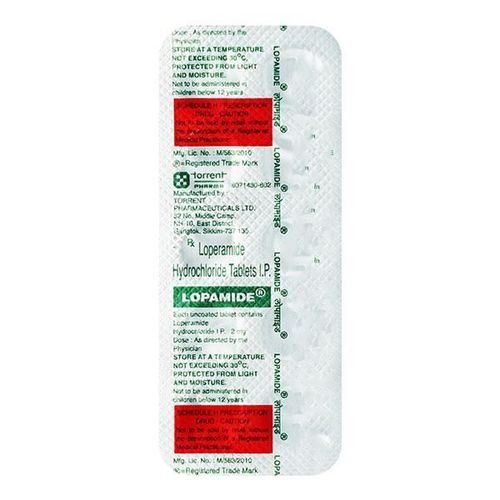
by Torrent Pharmaceuticals Ltd· 10S
SKU: 397620
You save ₹3 on this order
Inclusive of all taxes
Lopamide 2mg Tablet is commonly chosen when sudden episodes of loose stools or
diarrhoea begin to disrupt daily activities. It contains loperamide, a medicine
that helps slow down excessive bowel movements and improves stool consistency.
By reducing intestinal movement, it helps the body absorb more water and
electrolytes from the intestines, which can support better control over frequent
stools.
This tablet is generally used for adults and children above the recommended age
group as advised by a healthcare professional. It may be used for short-term
episodes of acute diarrhoea or to help manage symptoms of chronic diarrhoea
associated with certain digestive conditions. It is usually taken with water and
can be taken with or without food as prescribed.
Precautions are important while taking this medicine. Individuals with liver
conditions, severe dehydration, or intestinal infections should consult a doctor
before use. It should not be used when diarrhoea is accomp
blood in stools unless advised by a healthcare professional.
Common side effects may include constipation, stomach discomfort, dizziness, or
nausea. These effects are usually mild and temporary. However, seek medical
attention if severe abdominal swelling, persistent constipation, or allergic
reactions such as rash or breathing difficulty occur. Always use the medicine
exactly as directed and consult a doctor if symptoms continue for more than a
couple of days.
Lopamide 2mg Tablet is commonly used to help manage episodes of diarrhoea by
slowing down intestinal movements. This allows the body more time to absorb
water and electrolytes from the digestive tract. As a result, stools become
firmer and bowel movements become less frequent, helping restore comfort and
normal routine.
Frequent loose stools may lead to dehydration and discomfort. This tablet helps
improve stool consistency by reducing the speed at which food moves through the
intestines. By supporting better water absor
and supports digestive stability.
Diarrhoea often causes sudden urgency to use the bathroom, which can interfere
with daily activities. By slowing intestinal movement, Lopamide helps decrease
bowel urgency and frequency. This can help individuals feel more confident when
travelling, working, or engaging in social activities.
In some long-term digestive conditions, individuals may experience ongoing loose
stools. Lopamide may be recommended by a doctor to help regulate bowel movements
and improve daily comfort. Regular use should only be done under medical
supervision to ensure safe and appropriate use.
Loperamide acts directly on the muscles of the intestinal wall. It slows down
the movement of the intestines, allowing more time for water and electrolytes to
be absorbed back into the body. This helps reduce the frequency of bowel
movements and improves stool consistency.
Loperamide works by reducing the activity of intestinal muscles. This decreases
the speed at which intestinal contents move through the digestive tract. As a
result, stools become less watery and bowel movements occur less frequently.
By slowing intestinal transit time, the medicine allows the body to absorb more
fluids and essential salts. This helps restore fluid balance in the body and
reduces the risk of dehydration caused by repeated diarrhoea.
• Take this tablet exactly as prescribed by your doctor. • Swallow the tablet
whole with a glass of water. • It can be taken with or without food. •
Follow the recommended dosing schedule carefully. • Do not exceed the
prescribed dose. • Continue use only for the duration advised by your doctor.
• Take the missed dose as soon as you remember. • If it is almost time for
your next dose, skip the missed dose. • Continue with your regular dosing
schedule. • Do not take a double dose to make up for the missed one. •
Consult your doctor if you frequently miss doses.
If you or anyone accidentally takes more Lopamide 2mg Tablet than prescribed,
seek immediate medical help or visit the nearest hospital. Overdose symptoms may
include severe constipation, stomach swelling, dizziness, irregular heartbeat,
or difficulty breathing. Quick medical attention is important for safe recovery.
• Constipation • Stomach pain or abdominal discomfort • Nausea •
Dizziness • Dry mouth • Headache • Bloating
When to Seek Medical Attention?Stop taking Lopamide 2mg Tablet and contact your doctor immediately if you
experience any of the following side effects:
• Severe constipation or inability to pass stool • Abdominal swelling or
severe stomach pain • Difficulty breathing • Skin rash, itching, or hives
• Swelling of the face, lips, tongue, or throat • Fast or irregular heartbeat
• Severe dizziness or fainting
!### Dizziness Or Drowsiness
!### Nausea And Vomiting
!### Pregnancy
Consult your doctorLopamide 2mg Tablet should be used during pregnancy only if clearly advised by a
doctor. Always consult your healthcare professional before using it if you are
pregnant or planning pregnancy.
!### Breastfeeding
Use with CautionThis medicine should be used cautiously during breastfeeding and only if
prescribed by a healthcare professional.
!### Driving and Using Machines
Use with CautionIf you experience dizziness or tiredness after taking this medicine, avoid
driving or operating heavy machinery.
!### Alcohol
ContraindicatedAvoid alcohol consum
dizziness or stomach discomfort.
!### Kidney
Consult your doctorPatients with kidney-related conditions should consult their doctor before
taking this medicine.
!### Liver
Use with CautionIndividuals with liver disorders should use Lopamide 2mg Tablet with caution.
Medical supervision may be required.
!### Allergy
ContraindicatedDo not use this medicine if you are allergic to loperamide or any of its
ingredients. Consult your doctor for advice.
!### Use In Pediatrics
ContraindicatedIt should not be given to children below the recommended age group unless
prescribed by a doctor.
!### Use In Geriatrics
Use with CautionElderly individuals should use this medicine cautiously and under medical
supervision.
Before taking Lopamide 2mg Tablet inform your doctor if you
• Have severe dehydration • Have liver disease • Have inflammatory bowel
disease • Have bacterial intestinal infections • Have abdominal swelling
or pain
Lopamide 2mg Tablet not recommended for use if you have
• Known allergy to loperamide • Severe abdominal swelling without bowel
movement • Bacterial intestinal infections causing bloody diarrhoea •
Severe ulcerative colitis flare • Acute dysentery with high fever and blood
in stool
• Do not use if you have severe abdominal pain without diarrhoea. • Avoid use
in suspected intestinal blockage or paralytic ileus. • Stop the medicine if
no improvement occurs within 48 hours. • Avoid using it for traveller’s
diarrhoea caused by bacterial infection without medical advice. • Use
cautiously in people with electrolyte imbalance due to prolonged diarrhoea. •
Do not crush or chew the tablet unless advised by a doctor. • Avoid sharing
this medicine with others even if symptoms appear similar. • Seek medical
advice if diarrhoea occurs frequently or repeatedly.
• Drink plenty of fluids such as oral rehydration solutions, coconut water, or
clear soups. • Eat light foods like rice, bananas, toast, and boiled
vegetables. • Avoid spicy, oily, or heavy meals during diarrhoea episodes.
• Avoid caffeine and carbonated drinks. • Maintain proper hygiene and wash
hands frequently. • Rest adequately to support recovery. • Avoid street
food or contaminated food during digestive upset. • Include probiotics or
yogurt in the diet if tolerated.
| Parameter | Lopamide 2 mg Tablet | Racecadotril |
| Mech | ||
| Onset of effect | Works relatively quickly to decrease bowel movements | Acts by controlling intestinal secretions |
| Use in acute diarrhea | Commonly used for symptom control in acute diarrhea | Often preferred when infection-related diarrhea is suspected |
| Effect on gut movement | Decreases gut motility | Does not significantly affect gut motility |
| Overall preference | Frequently used for rapid symptom control | Considered useful when maintaining normal bowel movement is preferred |
| Parameter | Lopamide 2 mg Tablet | Diphenoxylate |
| Mech | ||
| Onset of action | Generally faster onset for symptom relief | May take slightly longer to control symptoms |
| Frequency of use | Often preferred for short-term diarrhea control | Sometimes combined with other agents |
| Safety profile | Lower risk of central nervous system effects | Higher risk of drowsiness or CNS effects |
| Overall comparison | Commonly chosen for faster and safer diarrhea control | Alternative o |
Antifungal Medicines (e.g., Ketoconazole, Itraconazole)Interaction: Antifungal medicines may increase the levels of loperamide in
the body by affecting its metabolism. This may increase the risk of side effects
such as dizziness, constipation, or heart rhythm changes. Management: Use
this combination cautiously and only under medical supervision. Your doctor may
monitor for side effects or adjust the dose if necessary.
Antibiotics (e.g., Erythromycin, Clarithromycin)Interaction: Certain antibiotics may interfere with the metabolism of
loperamide, potentially increasing its concentration in the bloodstream. This
can raise the risk of adverse effects such as drowsiness or irregular heartbeat.
Management: Inform your doctor if you are taking antibiotics. Monitoring or
temporary dose adjustment may be recommended.
Antiretroviral Medicines (e.g., Ritonavir, Saquinavir)Interaction: Some antiviral medicines used for HIV may increase the blood
levels of loperamide by inhibiting enzymes responsible for its breakdown. This
may increase the risk of serious side effects, including heart rhythm
disturbances. Management: Use the combination only if recommended by a
healthcare professional. Careful monitoring may be required.
Medicines Affecting Heart Rhythm (e.g., Amiodarone, Quinidine)Interaction: When taken with medicines that affect heart rhythm, loperamide
may increase the risk of abnormal heart rhythms, especially at higher doses.
Management: Inform your doctor if you are using medicines for heart rhythm
disorders. Dose adjustments or alternative medicines may be considered.
Other Anti-Diarrhoeal MedicinesInteraction: Combining Lopamide with other medicines used for diarrhoea may
excessively slow intestinal movement, increasing the risk of severe constipation
or intestinal blockage. Management: Avoid using multiple anti-diarrhoeal
medicines together unless specifically advised by a healthcare professional.
Central Nervous System Depressants (e.g., Sedatives or Opioids)Interaction: Some medicines that affect the nervous system may increase the
risk of dizziness, drowsiness, or slowed intestinal activity when used with
loperamide. Management: Use cautiously and avoid activities requiring
alertness if such symptoms occur. Always inform your doctor about all medicines
you are taking.
High-Fat or Oily FoodsInteraction: Heavy, fatty, or oily foods may slow digestion and increase
stomach discomfort or bloating during diarrhoea episodes. Management:
Prefer light and easily digestible foods such as rice, toast, bananas, and
boiled vegetables while taking this medicine.
Dairy ProductsInteraction: During diarrhoea, some individuals may temporarily have
difficulty digesting lactose found in milk and dairy products, which may worsen
loose stools. Management: Limit or avoid milk and dairy products until
digestive symptoms improve.
Caffeine-Containing Beverages (Tea, Coffee, Energy Drinks)Interaction: Caffeine may stimulate intestinal activity and may worsen
diarrhoea or stomach discomfort in some individuals. Management: Reduce
or avoid caffeinated beverages while using Lopamide 2mg Tablet.
Spicy FoodsInteraction: Spicy foods may irritate the intestinal lining and worsen
digestive discomfort during diarrhoea episodes. Management: Avoid spicy
meals and choose mild, bland foods until symptoms improve.
| Drug | Loperamide |
| Pharmacological Category | Antidiarrheals |
| Therapeutic Indication | Diarrhoea |
| Dosage Forms | Tablet, Capsule |
• Store at room temperature (usually below 25°C). • Keep out of reach of
children and pets.
A: Lopamide 2mg Tablet contains loperamide, a medicine used to help control
diarrhoea. It works by slowing intestinal movement, allowing the body to absorb
more fluids and electrolytes, which helps improve stool consistency and reduce
frequent bowel movements.
A: Take the tablet exactly as prescribed by your doctor. Swallow it with water
and follow the recommended dosing schedule. Do not exceed the prescribed dose.
A: Yes, it can be taken with or without food. If stomach discomfort occurs,
taking it after a light meal may help.
A: It is usually used for short-term diarrhoea management. If symptoms continue
for more than 48 hours, consult your doctor.
A: Yes, constipation is one of the common side effects because the medicine
slows intestinal movement. Contact your doctor if constipation becomes severe.
A: It should only be given to children if prescribed by a doctor. The dose
depends on age and body weight.
A: It should only be used during pregnancy if clearly advised by a doctor.
A: If diarrhoea persists beyond two days or is accomp
dehydration, or blood in stool, consult your doctor immediately.
A: Yes, it may interact with certain antibiotics, antifungal medicines, or
medicines affecting heart rhythm. Inform your doctor about all medicines you are
taking.


