
Rx11% OFF

₹152₹171.32
View DetailsLoading...
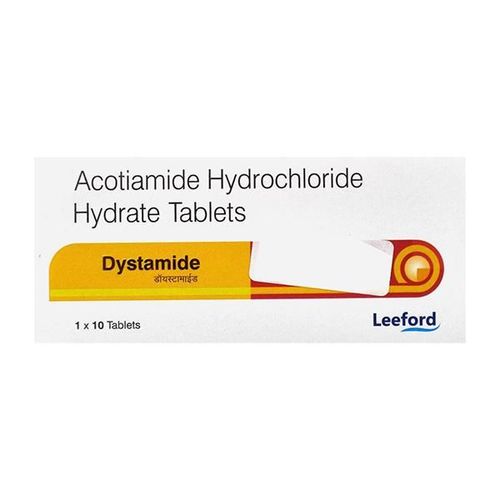
by Leeford Healthcare Ltd (Generics)· 10S
SKU: 977204
You save ₹60 on this order
Inclusive of all taxes
DYSTAMIDE TABLET contains Acotiamide, which belongs to the group of medicines
called Gastro-intestinal agents. It is used in the management of functional
dyspepsia. Functional dyspepsia is a chronic functional disorder of the upper
digestive system that affects sensation and movement.
The symptoms of functional dyspepsia in affected individuals include a burning
sensation in the stomach, bloating, burping, nausea (after meals), an early
feeling of fullness (satiety), and stomach pain. Your doctor may advise you to
take relevant tests to evaluate and understand your existing condition.
DYSTAMIDE TABLET is not recommended for use in patients who are allergic to
acotiamide. Before taking DYSTAMIDE TABLET, inform your doctor if you have liver
problems (such as hepatic impairment) and/or kidney problems (such as renal
impairment). The most common side effects of taking DYSTAMIDE TABLET are
diarrhoea, constipation, nausea, vomiting, rash, and/or red itchy welts. Consult
your doctor if any of your symptoms get worse or persist.
DYSTAMIDE TABLETworks by increasing acetylcholine concentration in the stomach,
which helps to promote the movement of foods from the stomach into the intestine
and also increases intestinal motility. As a result, it helps to manage and
relieve the functional disorders of the upper digestive system.
Take DYSTAMIDE TABLET as advised by your physician. Swallow the medicine with a
glass of water. Do not crush or chew the medicine. Your doctor will decide the
correct dose and duration of the management for you depending on your age, body
weight, and disease condition.
Diarrhoea:
Drink lots of fluids, such as water or fruit juices, to keep yourself hydrated.
Avoid taking any medicine on your own to manage diarrhoea. Consult your doctor
for advice if the symptom does not improve.
Constipation:
Try to eat high-fibre foods such as vegetables, cereals, and fresh fruit. Keep
yourself hydrated. Engage in regular exercise (going for a daily walk or run),
and if this does not help, consult your doctor for alternatives to manage
constipation.
Nausea or vomiting:
Try to take DYSTAMIDE TABLET with or just after a meal or a snack. Stick to
simple meals. Avoid eating rich or spicy foods. Consult your doctor for advice
if your symptoms get worse or persist.
!### Pregnancy
DYSTAMIDE TABLET should be used with caution by pregnant women only if
recommended by your doctor. Consult your doctor before taking the medicine.
!### Breastfeeding
DYSTAMIDE TABLET is generally not recommended for use by breastfeeding women as
it may pass through breast milk and cause undesirable risks to the breastfed
baby. Consult your doctor before taking the medicine.
!### Driving and Using Machines
Do not take DYSTAMIDE TABLET, if it affects your ability to drive or operate
machines. Consult your doctor before taking the medicine.
!### Kidney
DYSTAMIDE TABLET should be taken with caution in patients with kidney problems
such as renal impairment. Consult your doctor before taking the medicine.
!### Liver
DYSTAMIDE TABLET should be used with caution in patients with liver problems
such as hepatic impairment. Consult your doctor before taking the medicine.
!### Allergy
Do not take DYSTAMIDE TABLET if you are allergic to acotiamide or any of the
other ingredients in this medicine.
Use in Pediatrics:
DYSTAMIDE TABLET should be used with caution in children and adolescents (below
18 years) as its safety and efficiency are not known. Consult your doctor before
taking the medicine.
Use in Geriatrics:
DYSTAMIDE TABLET should be used with caution in elderly patients (aged 60 years
and above). Consult your doctor before taking the medicine.
A. Drug-Drug interactions:
Before taking DYSTAMIDE TABLET, inform your doctor if you are taking,
Overdosage:
If you or anyone else accidentally take too much of DYSTAMIDE TABLET, consult
your doctor immediately or visit the nearby hospital.
| Drug | : | Acotiamide |
| Pharmacological Category | : | Gastrointestinal Agent |
| Therapeutic Indication | : | Functional dyspepsia (including postprandial fullness, epigastric pain & early satiety, and bloating after meals) |
| Dosage Forms | : | Tablet |
What does DYSTAMIDE TABLET manage?
DYSTAMIDE TABLET is used in the management of functional dyspepsia and its
associated symptoms such as postprandial fullness, burping, epigastric pain,
early satiety, and bloating after meals in affected individuals. Functional
dyspepsia is a chronic disorder of sensation and movement in the upper digestive
tract that is generally characterized by symptoms such as pain or burning
sensation in the stomach, bloating, and/or nausea (after meals).
What are the side effects of DYSTAMIDE TABLET?
The most common side effects of taking DYSTAMIDE TABLET are diarrhoea,
constipation, nausea, vomiting, rash, and/or red itchy welts. Consult your
doctor if any of your symptoms get worse or persist.
Is DYSTAMIDE TABLET safe for use by breastfeeding women?
No, DYSTAMIDE TABLET is generally not recommended for use by breastfeeding women
as it may get excreted in the breast milk and cause undesirable risks to the
breastfed baby. Consult your doctor before taking the medicine.
How does DYSTAMIDE TABLET work?
DYSTAMIDE TABLETworks by increasing acetylcholine concentration (the chemical
responsible for gastric acid secretion) in the stomach, which leads to increased
gastrointestinal peristalsis movement, resulting in increased intestinal
motility and fast gastric emptying time, thus improving food movement through
the gastrointestinal tract and managing the occurrence of functional dyspepsia
in affected individuals.
How do I take DYSTAMIDE TABLET?
Take DYSTAMIDE TABLET as advised by your physician, who shall decide your
correct dosage and duration depending on your age, body weight, and disease
condition.


